
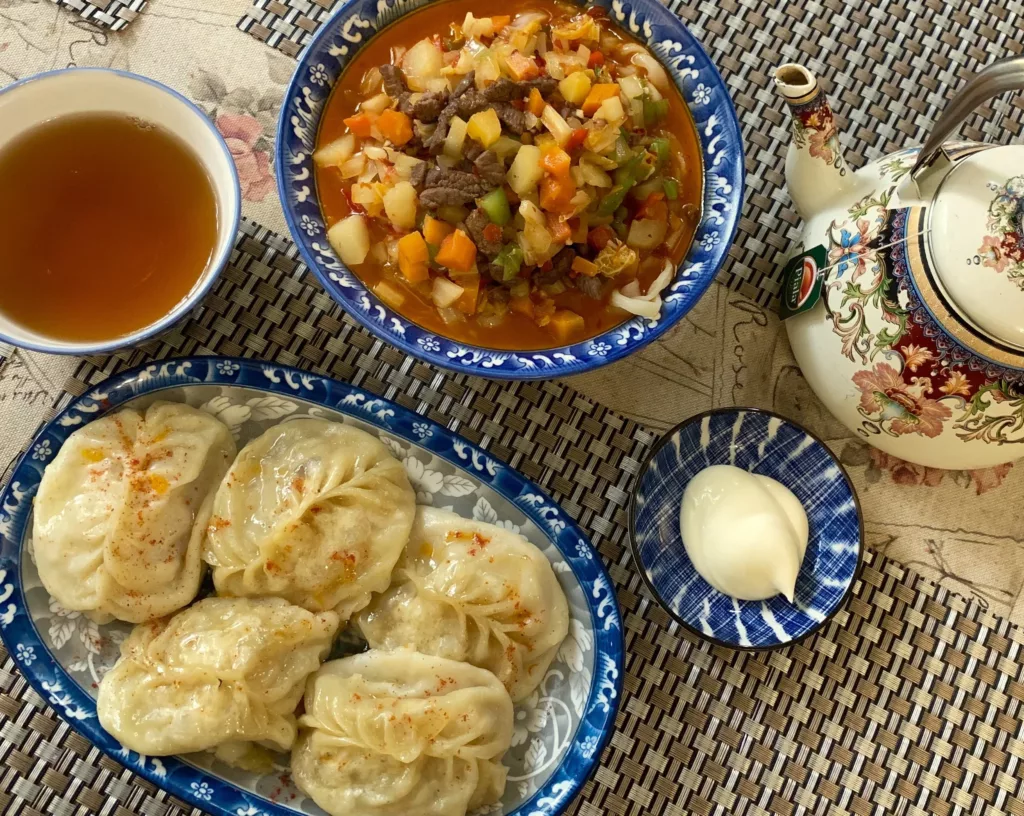
Culinary Journey Through Central Asia
Local Dishes and Specialities
Introduction
Central Asia is a paradise for food travelers. This guide presents six culinary highlights and explores their cultural significance and regional variations. The cuisine of Central Asia reflects the history and diversity of the peoples who lived along the ancient Silk Road and learned from one another. It is far more than just food – it is a living expression of cultural identity and shared history.
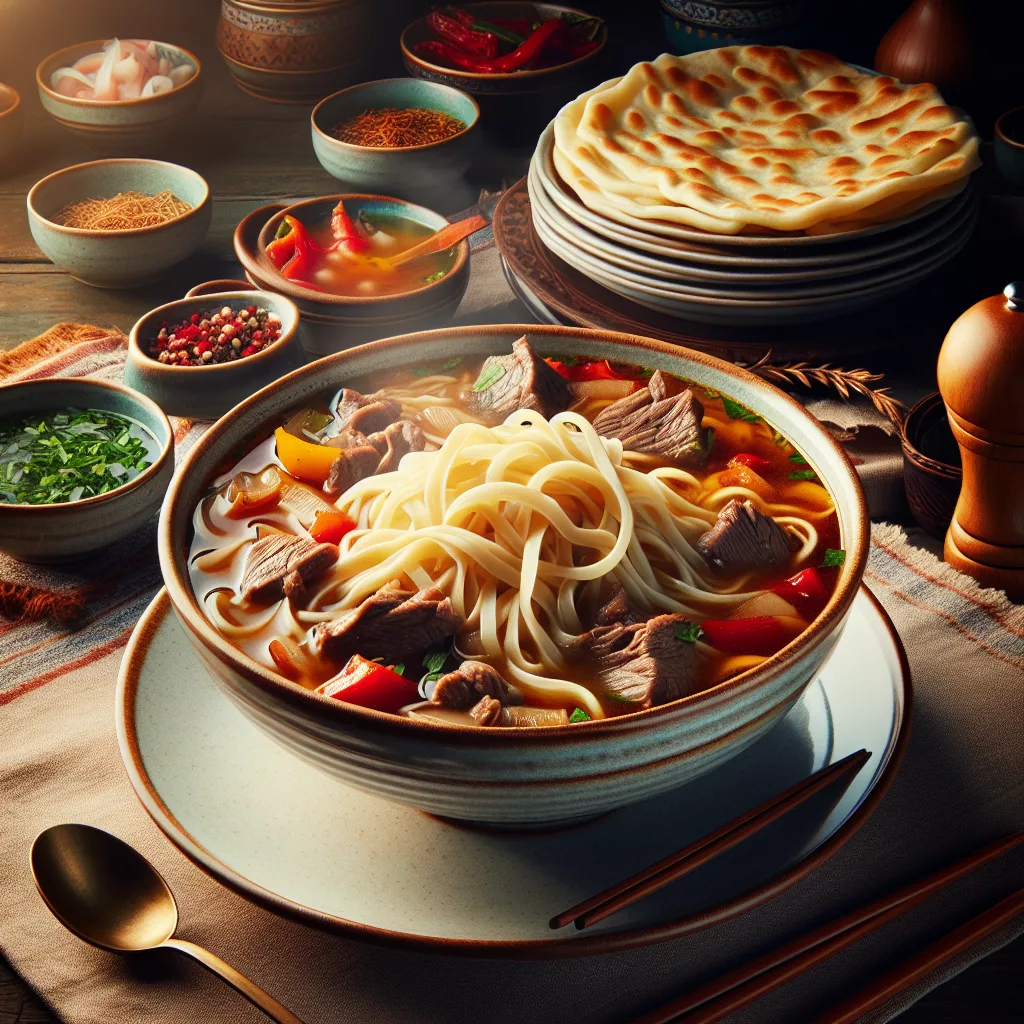
1. Lagman from Kyrgyzstan
Hand-pulled noodles with vegetables
Lagman combines the art of hand-pulled noodles with tender meat and fresh vegetables. Preparing it requires special techniques that skilled chefs demonstrate with pride. Travelers can learn how to stretch the dough properly and season the broth to perfection. Lagman is a beloved everyday dish, served in small teahouses as well as family homes. Its blend of taste, texture, and aroma makes it a true Central Asian classic.
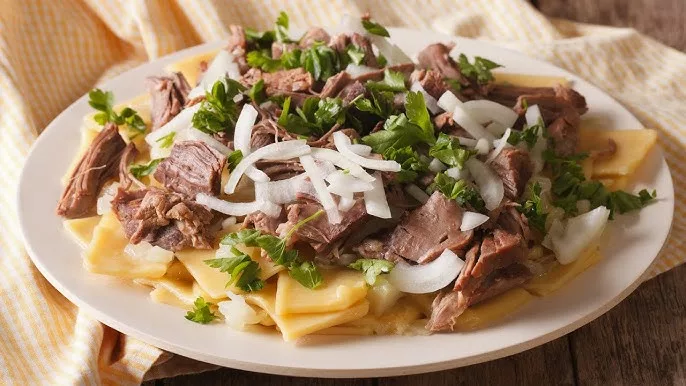
2. Beshbarmak from Kazakhstan
A festive traditional dish.
Beshbarmak, meaning “five fingers”, is traditionally eaten by hand. Thinly sliced noodles served with boiled meat and broth create a hearty meal for celebrations. Family recipes differ by region, with variations in spices and types of meat. Visiting local hosts offers insight into the preparation process and the dish’s role during greetings, festivals, and ritual meals. For travelers, it’s both a culinary and cultural experience.
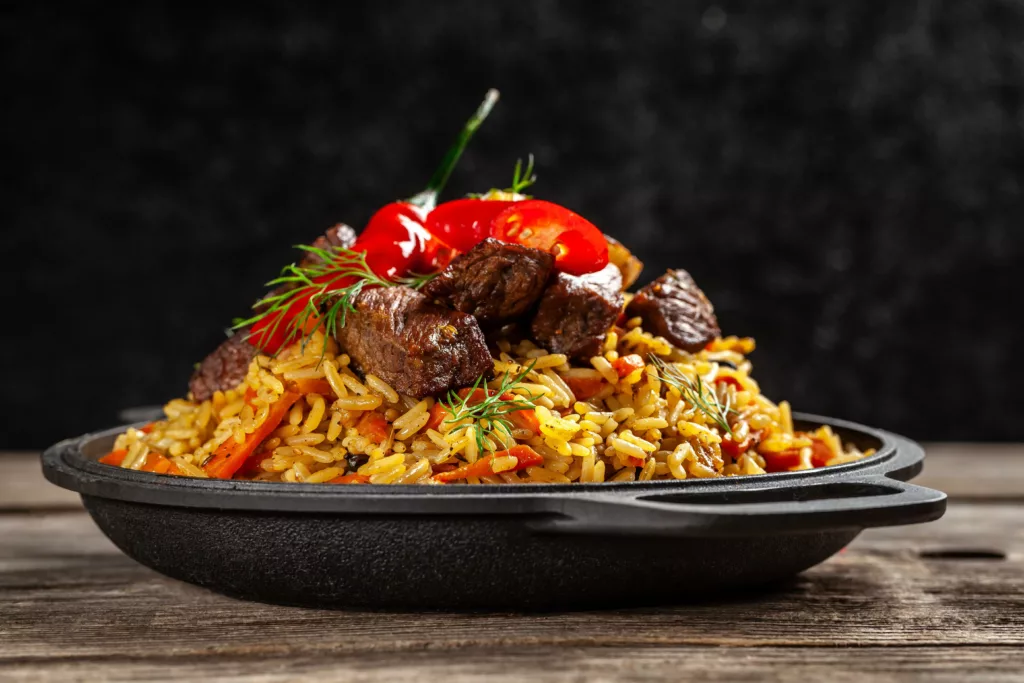
3. Plov from Uzbekistan
National dish and cultural heritage.
Plov is more than just food – it’s a national symbol of Uzbekistan. Made with rice, carrots, meat, and spices, it varies greatly from region to region. Cooking with local families reveals traditional techniques such as perfectly browning the meat and cooking the rice evenly. Plov is served during celebrations, weddings, and important gatherings, highlighting its social importance. Sharing this dish offers authentic insight into Uzbek culture and hospitality.
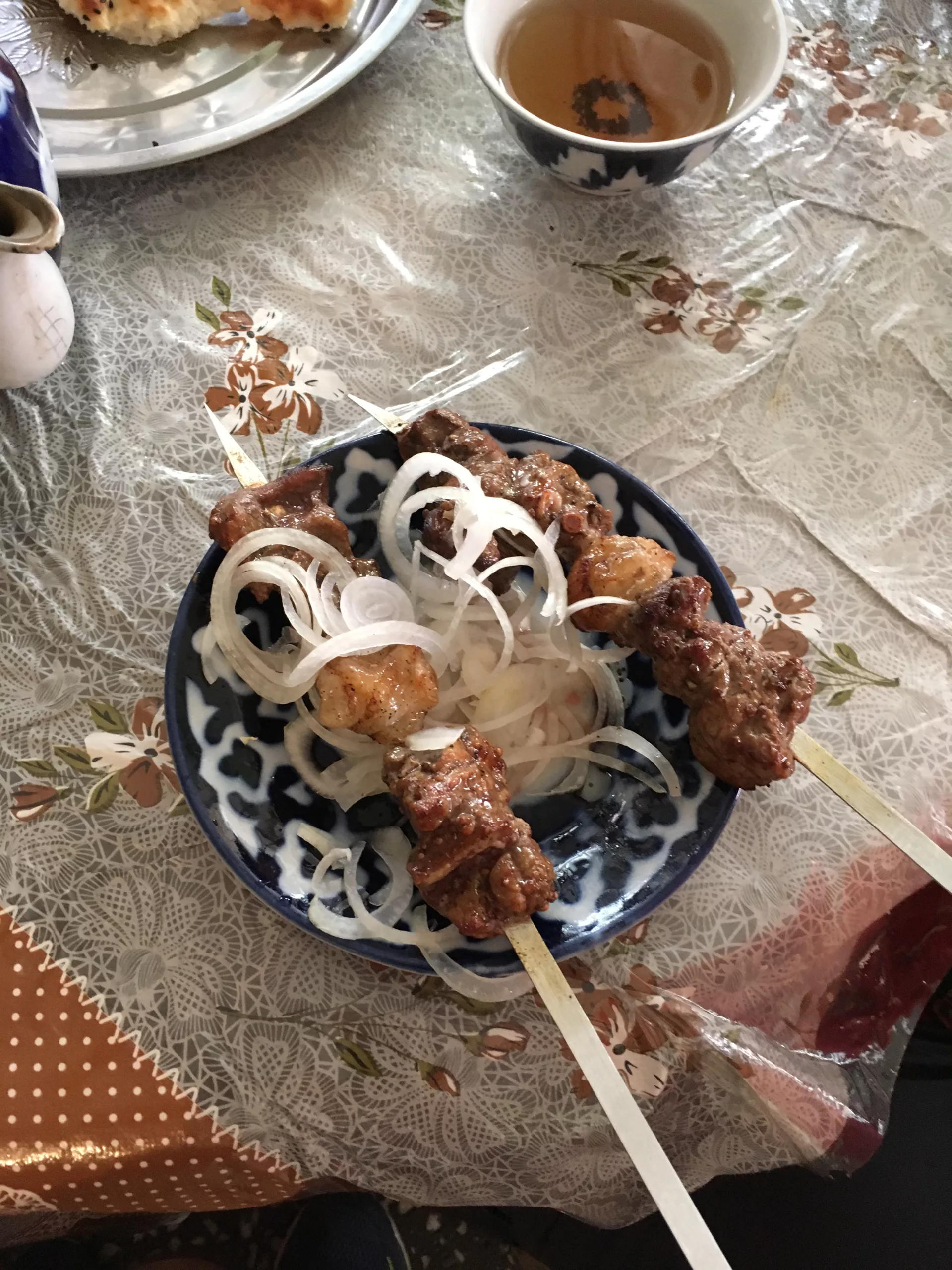
4. Shashlik
Charcoal-grilled meat skewers.
Charcoal-grilled meat skewers are a Central Asian favorite. Lamb and beef are most common, enhanced with regional herbs and marinades that define local flavor. Street food stalls and small eateries serve countless authentic versions. Travelers can discover how the right heat, timing, and spices create the perfect skewer. Shashlik is more than a meal – it’s a social experience shared in markets and festive gatherings across the region.
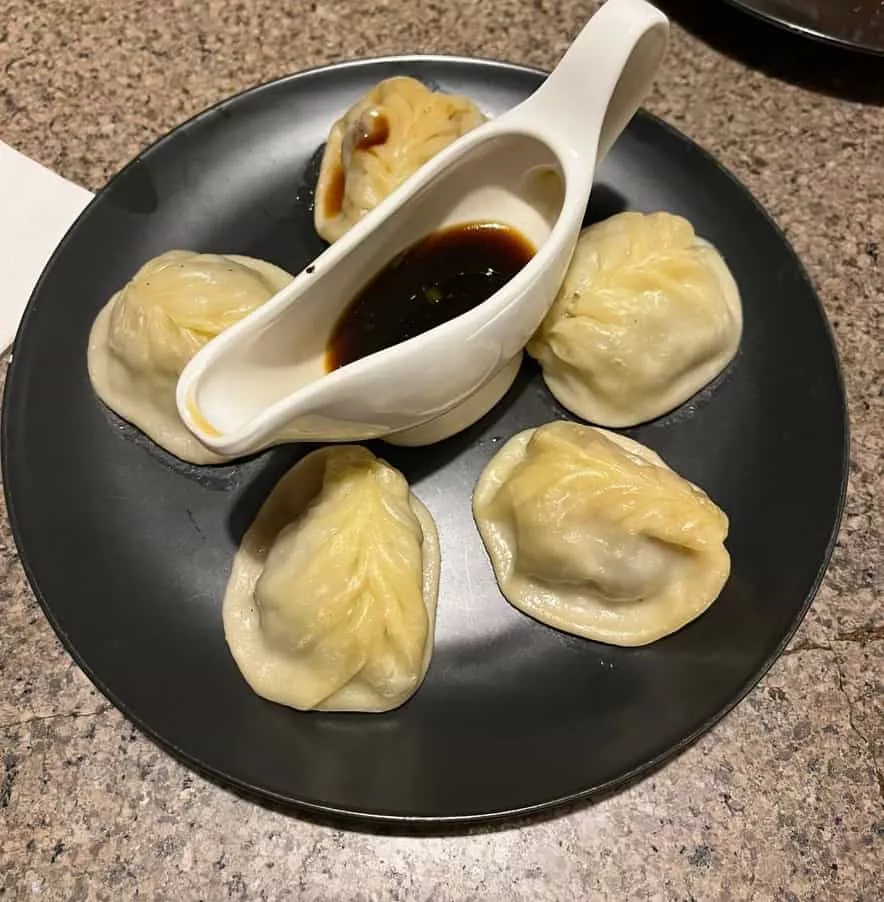
5. Manti (Dumplings)
Steamed pockets of flavor.
Steamed dumplings filled with meat or vegetables are a culinary staple. The process – from dough-making to filling and steaming – is often demonstrated step by step. Manti are traditionally prepared in large batches for family celebrations. Travelers can join in and learn about the regional differences in fillings and spices. Their taste, texture, and communal preparation make Manti a highlight of any culinary journey through Central Asia.
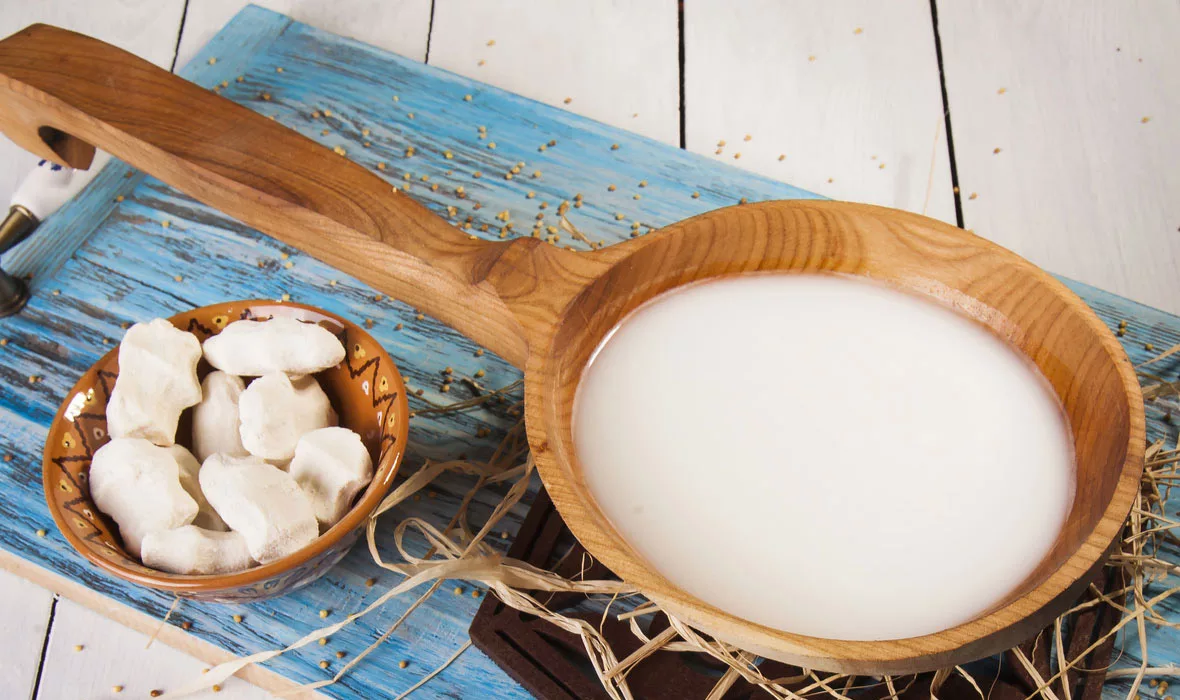
6. Kumys
Fermented mare’s milk – the nomads’ drink
Kumys, or fermented mare’s milk, is a traditional drink of the nomadic peoples. Rich in probiotics, it has a slightly sour taste and is valued both as a refreshing beverage and a natural remedy. Travelers can observe its preparation, storage, and cultural meaning. Tastings offer a genuine glimpse into nomadic life. Though its flavor can be challenging for newcomers, Kumys provides a unique sensory and cultural experience.
Conclusion
The cuisine of Central Asia offers a fascinating blend of flavor, tradition, and culture. Dishes such as Plov, Beshbarmak, Lagman, Shashlik, and Manti combine local ingredients with centuries-old cooking methods, while Kumys reflects the nomadic way of life. Culinary experiences in Kyrgyzstan, Kazakhstan, and Uzbekistan provide not only authentic tastes but also a deeper understanding of social customs, celebrations, and the spirit of hospitality that defines the region.