
Travel Styles & Planning
Encounters in Kyrgyz Nature
Introduction
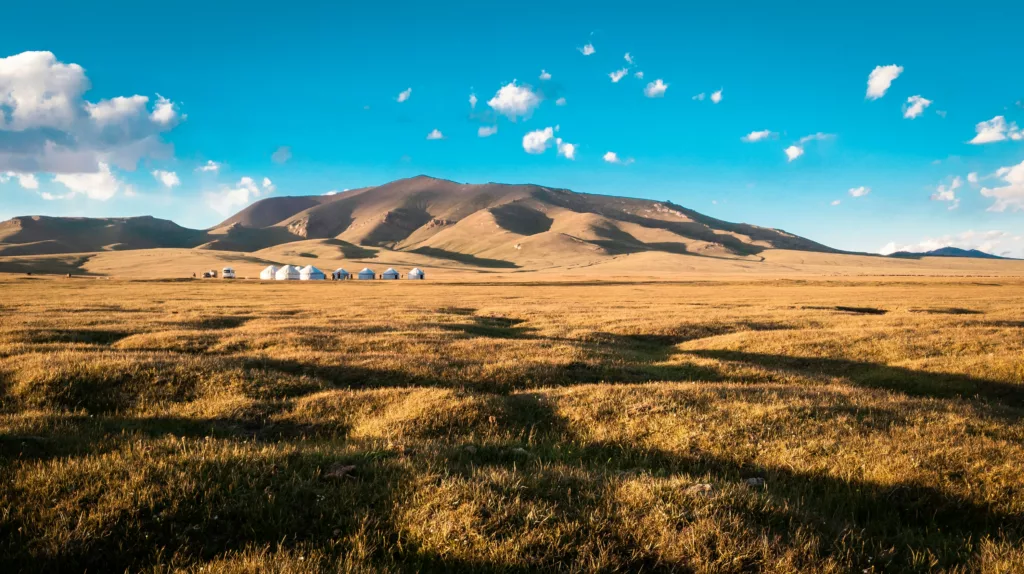
Kyrgyzstan captivates with unspoiled nature rarely found elsewhere. Between vast steppes, turquoise lakes, and rugged mountain ranges lies an impressive diversity of landscapes and habitats. The Central Asian highlands combine glittering lakes, alpine meadows, and towering peaks into a striking panorama. Here, visitors can watch eagles, hike through national parks, and enjoy the silence of nature – always accompanied by the feeling of experiencing something original.
Guided tours make it possible to discover Kyrgyzstan in a deep and responsible way. Local tour guides offer deeper insights into nature and culture, make navigation in remote regions easier, and encourage encounters with local people. This makes travel safer, more sustainable, and more authentic – an experience that reveals Kyrgyzstan’s closeness to nature and hospitality in a unique way.
1. Untouched Wilderness: Why Kyrgyzstan Is a Natural Paradise
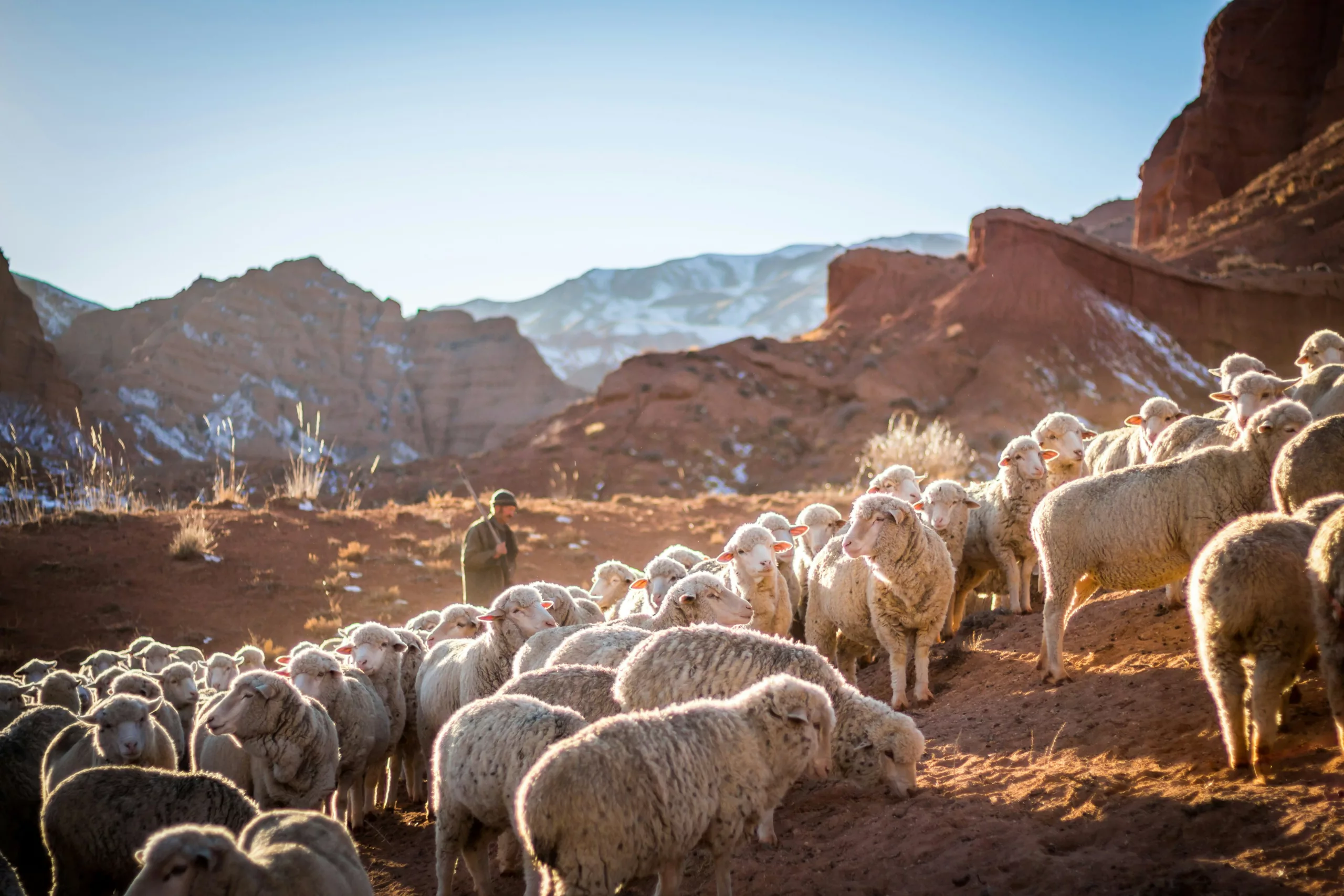
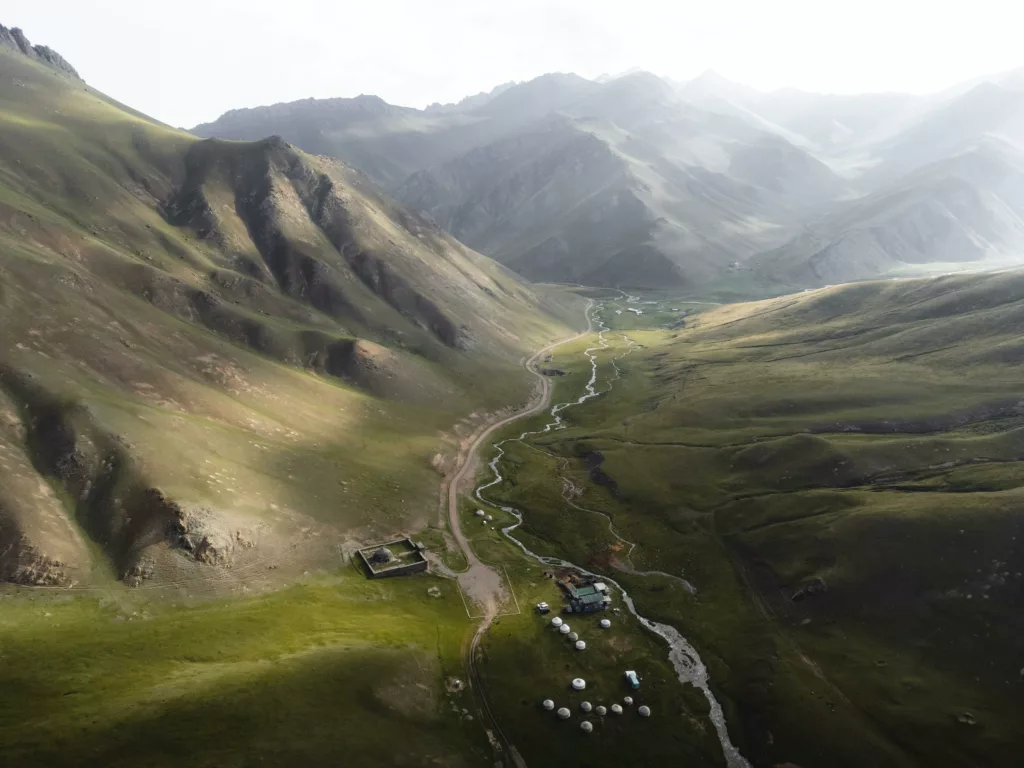
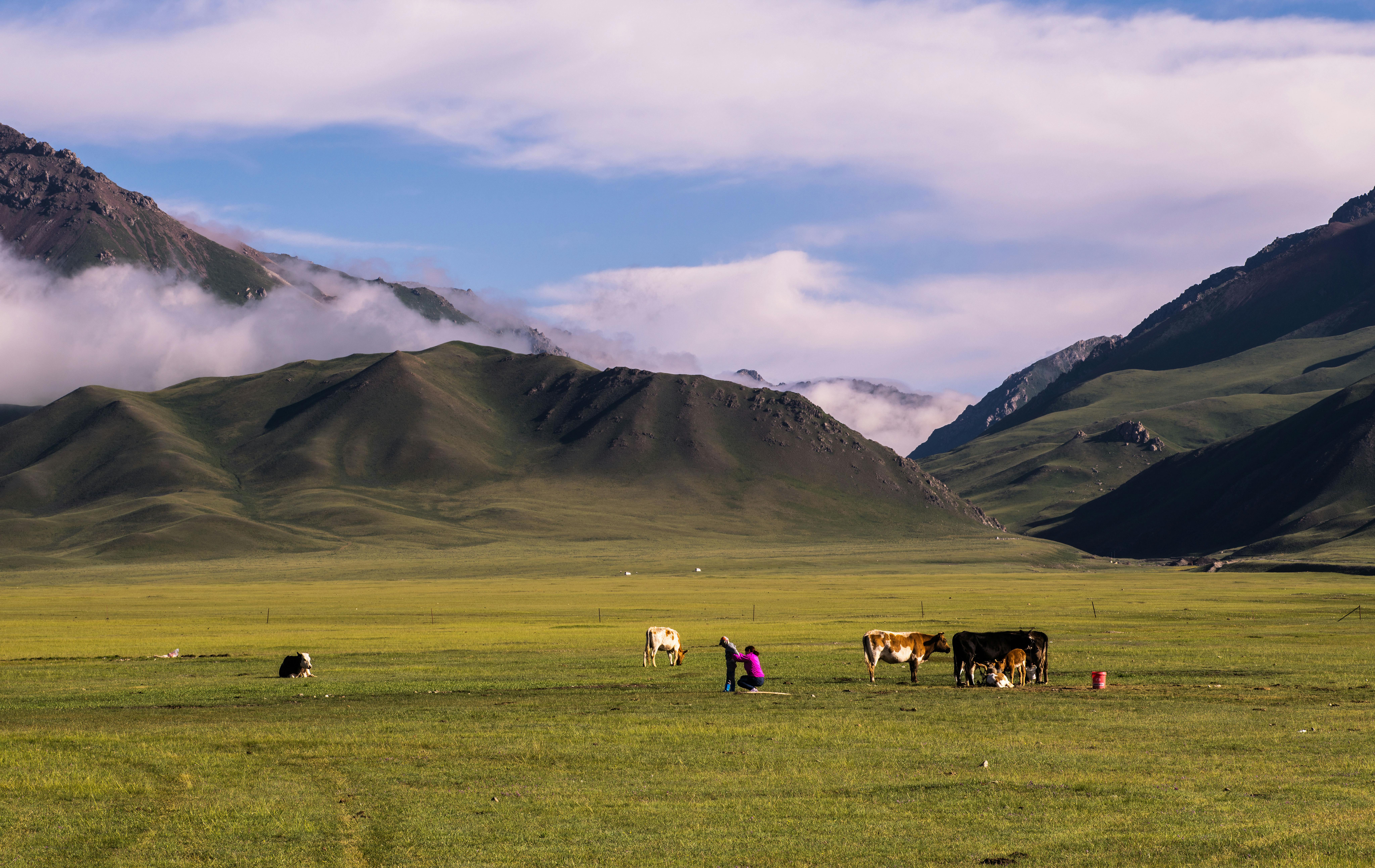
More than three-quarters of the country’s territory consists of mountains, where an exceptional variety of species has evolved. Untouched valleys, alpine meadows, and crystal-clear rivers provide habitats for rare animals and plants. Particularly impressive is the serenity that prevails in these regions – ideal for travelers seeking authentic nature experiences.
2. The Most Impressive Landscapes: Steppe, Mountains, and Lakes
Kyrgyzstan combines a wide range of landscapes within a compact area. The vast steppes of the north merge into the rugged mountain chains of the Tian Shan, while Lake Issyk-Kul – known as the “Pearl of Central Asia” – stands out as a stunning natural gem. This diversity makes the country an ideal destination for travelers who enjoy exploring different natural settings.
3. Kyrgyzstan’s Wildlife – From Eagles to Marco Polo Sheep
Kyrgyzstan’s wildlife is as diverse as its landscapes. In the mountains, snow leopards, ibex, and Marco Polo sheep roam, while eagles and vultures soar majestically over the valleys. Guided excursions offer the opportunity to observe these animals in their natural habitats without disturbing them.
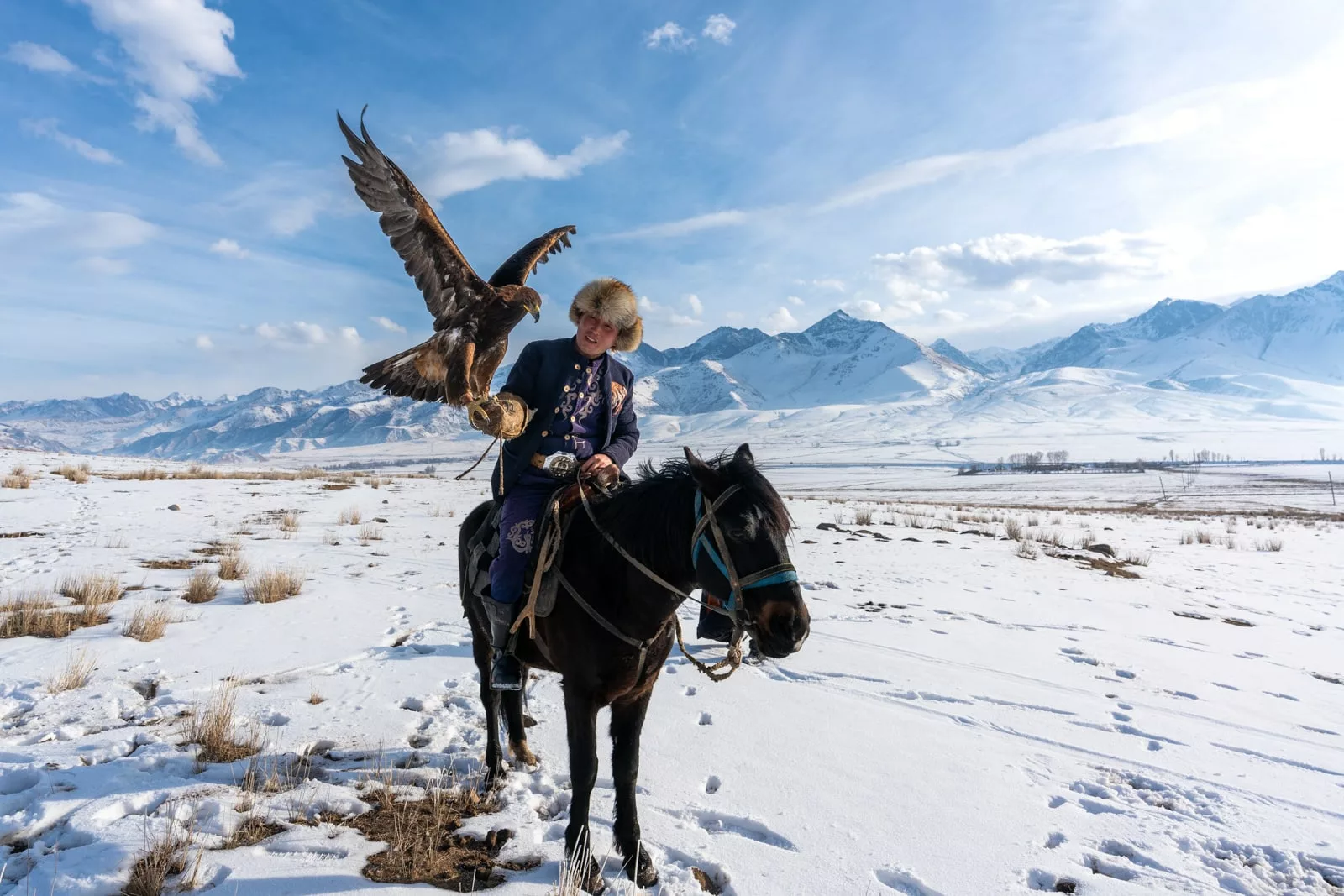
In Kyrgyzstan, the fascinating art of eagle hunting can be experienced up close—at traditional Bürküttschü demonstrations or cultural festivals in the mountains of Issyk-Kul or Naryn, where skilled eagle hunters proudly showcase their ancient techniques.
The relationship with these majestic golden eagles is characterized by deep respect and closeness to nature: the birds are regarded as companions with whom a strong bond is formed—an expression of the harmonious coexistence of humans, animals, and the landscape within Kyrgyz nomadic culture.
4. The Most Beautiful National Parks & Nature Reserves
Among the best-known protected areas are Ala-Archa National Park near Bishkek, the Sary-Chelek Biosphere Reserve, and Karakol National Park. These regions are characterized by well-marked hiking trails and impressive scenery. Visitors can experience nature up close while sustainable conservation measures help preserve these ecosystems.

5. Sustainable Tourism: Protecting and Valuing Nature
Sustainable tourism is a growing topic in Kyrgyzstan. Local initiatives work to protect natural and cultural heritage and promote environmentally conscious travel. Guided tours support this approach by raising visitors’ awareness while also providing economic benefits to local communities. In this way, responsible travel helps ensure that Kyrgyzstan’s natural beauty can be preserved for the long term.
Conclusion: Travel Styles & Planning
Kyrgyzstan stands out as one of the last truly unspoiled natural destinations in the world. Its vast steppes, shimmering lakes, and towering mountains create an awe-inspiring landscape that invites exploration and reflection. Travelers who venture here find not only breathtaking scenery but also a deep sense of peace and authenticity that is increasingly rare in modern travel.
Guided and well organised tours provide an ideal way to experience this beauty safely and responsibly. They allow for meaningful encounters with local people, deepen understanding of the country’s ecosystems and traditions, and help ensure that tourism benefits rather than harms the environment. By choosing sustainable travel and traveling with a knowledgeable guide, visitors actively contribute to preserving Kyrgyzstan’s fragile landscapes and cultural heritage.